Pakistan Isn’t Just Building a Port. It’s Pledging Relevance.
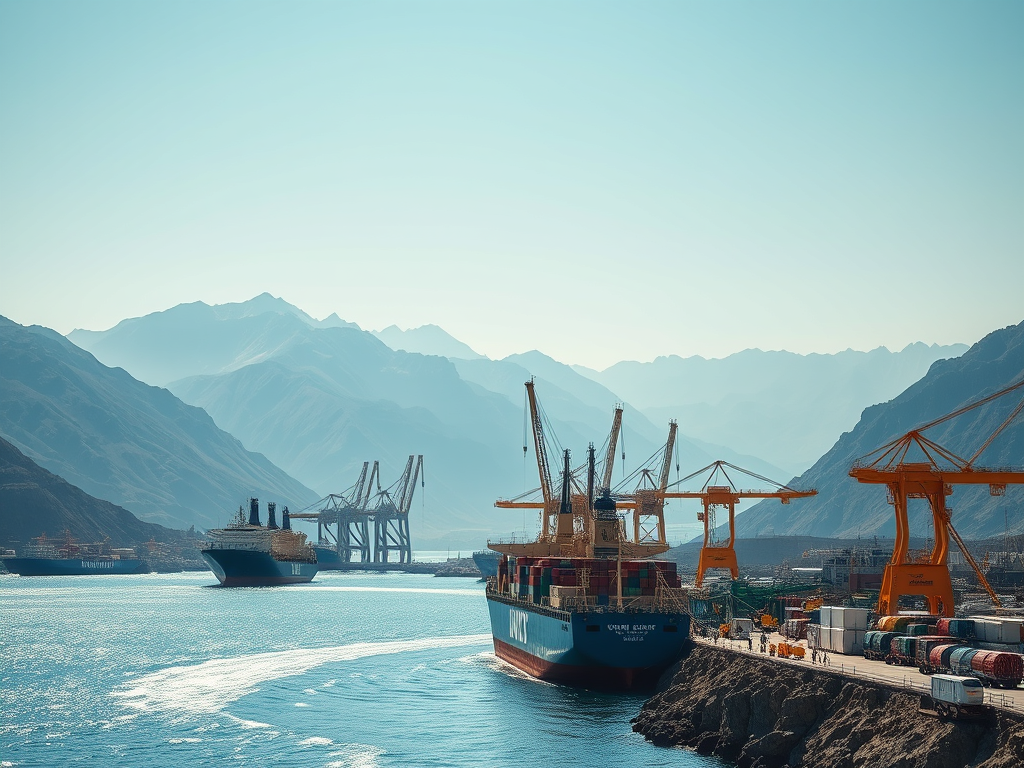
In 2025, Pakistan proposed a deep-water terminal at Pasni on the Balochistan coast. This terminal emerged as a symbolic Western counterweight to China’s Gwadar Port. Gwadar Port is the crown jewel of Beijing’s Belt and Road network. Valued at roughly $1.2 billion and reportedly involving U.S. investors, the plan was described as a strategic bid for access to critical minerals.
Official statements call the proposal “exploratory.” But the intent is clear: Pakistan isn’t just selling logistics. It’s offering alignment repackaged as collateral in a global marketplace of influence.
The Minerals Are Real. The Capital Is Theatrical.
Just inland from Pasni lies Reko Diq—one of the largest untapped copper-gold deposits on Earth. Western-backed development funds and private consortiums are reportedly exploring ways to link the mine to the new port via rail.
Yet beneath the surface, transparency collapses. There is no coherent royalty model, no environmental review, and no structured mechanism for citizen consent. Balochistan’s residents—already displaced by decades of extraction—encounter a familiar situation. Foreign capital arrives with promises of modernization. Local life is rewritten in fine print.
This Isn’t Just Infrastructure. It’s Protocol Diplomacy.
Every port, every corridor, every “smart” logistics hub now functions like a digital ledger. Sovereignty is pledged line by line, contract by contract, token by token.
Western capital seeks to offset China’s hard infrastructure dominance not through ships and cranes. Instead, it uses code—blockchain-based financing, tokenized trade credits, and AI-optimized shipping networks. These are marketed as “transparent partnerships.”
The Pattern Isn’t New. It’s Just Digitized.
Beijing’s Belt and Road diplomacy built ports with steel and debt. Washington’s emerging fintech diplomacy builds them with blockchain and belief. Both convert geography into programmable leverage.
Each initiative turns terrain into theater—where every pier, pipeline, and payment corridor becomes an instrument of influence. Pakistan becomes a node in a financial operating system designed elsewhere. Geography now behaves like software: continuously updated, remotely governed, and easily forked.
The Citizen Doesn’t Just Lose Land. They Lose Voice.
For many in Balochistan, “development” translates to displacement. Property boundaries are redrawn under investment zones; resistance is labeled unrest. Consultation is ceremonial, compensation delayed.
In this model, sovereignty becomes programmable—its code written in feasibility studies, not constitutions. The ledger records assets, not grievances. The human cost is flattened into economic indicators.
Conclusion
In this new economy, ports are not built to serve nations; they are built to secure narratives. The Port Is the Pledge. The Minerals Are the Collateral. The Citizen Is the Cost.
Further reading: