From Hype to Hardware
As of January 26, 2026, the global narrative has shifted from software speculation to the Infrastructure Sprint. Semiconductor revenues are projected to surpass $1 trillion this year, driven by unprecedented demand for AI chips and memory.
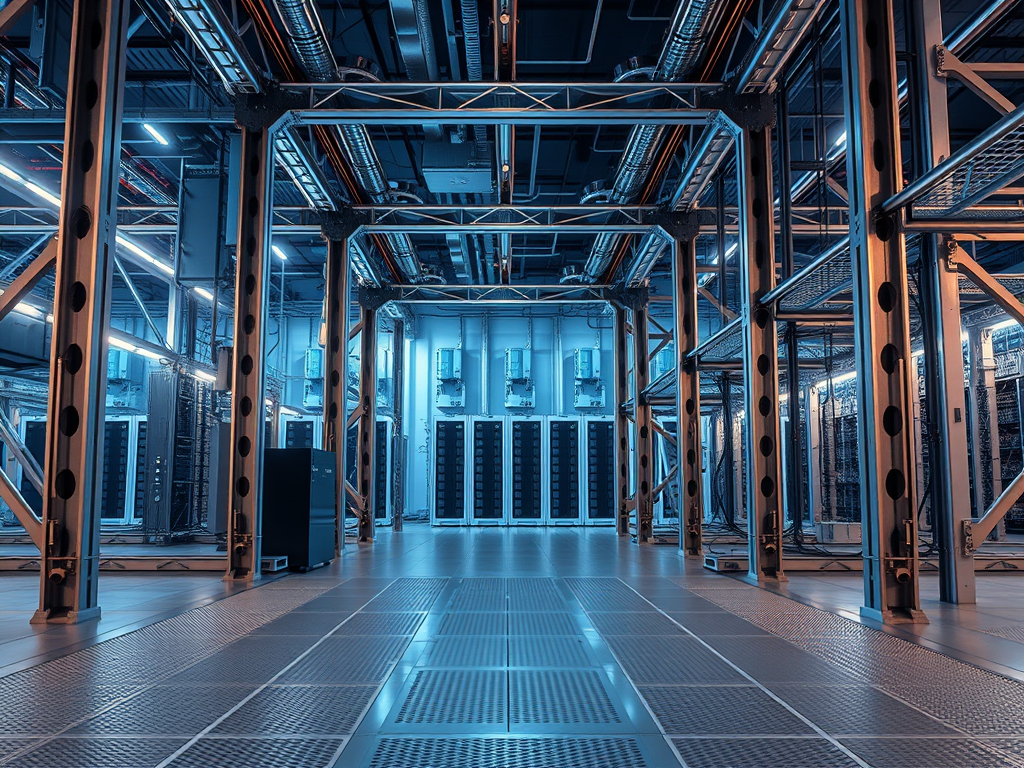
The AI revolution has matured beyond hype cycles into a massive industrialization phase, where silicon, racks, cooling, and sovereign power grids are the real bottlenecks.
Nvidia: The 90% Sovereign Under Siege
- Dominance: Nvidia controls roughly 85–90% of the data center GPU market, making it the core of AI infrastructure.
- Regulatory Pressure: Both U.S. and European regulators have opened formal investigations into Nvidia’s CUDA lock‑in and partnership structures.
- Cash Reserves: Nvidia holds more than $30–40 billion in cash and equivalents, but regulatory scrutiny limits its ability to pursue large acquisitions.
- Fragility: With gross margins above 70%, hyperscalers increasingly view Nvidia not as a partner but as a “tax” on their AI ambitions.
Why it matters: Nvidia’s dominance defines the present, but its monopoly is under structural stress.
AMD: The Instinct Challenger Gains Momentum
- OpenAI Catalyst: In late 2025, AMD signed a multi‑year deal to power OpenAI’s next‑generation infrastructure with its MI300 and upcoming MI450 GPUs. This marks a turning point in hyperscaler diversification.
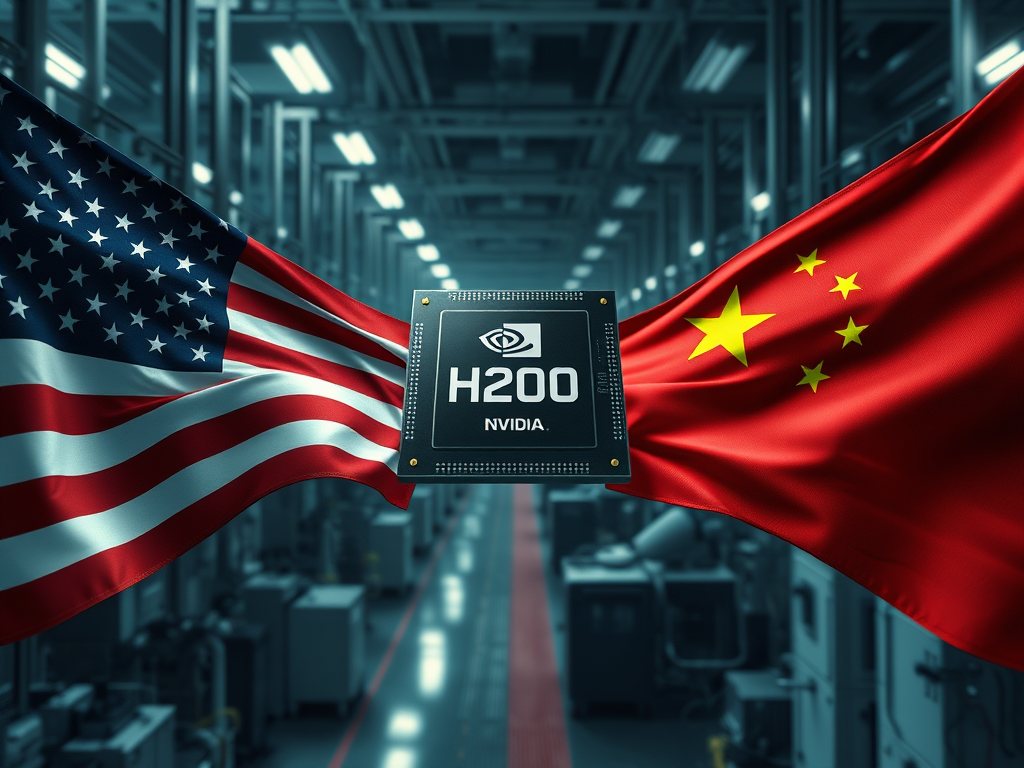
- Benchmark Parity: Independent MLPerf results show AMD’s MI325X outperforming Nvidia’s H200 in certain inference workloads, especially memory‑intensive long‑context tasks.
- Open Standards: By championing ROCm and Ethernet‑based networking, AMD positions itself as the freedom option for hyperscalers seeking to avoid proprietary lock‑in.
Why it matters: AMD has moved from perennial alternative to systemic challenger, offering leverage against Nvidia’s pricing power.
The Systemic Race: Beyond the Chip
- Memory Wall: 2026 introduces HBM4, doubling effective bandwidth to over 2 TB/s per stack and exceeding 20 TB/s aggregate throughput in leading systems. The bottleneck has shifted from computing to moving data.
- Hyperscaler Autonomy: Google (TPU), Amazon (Trainium), and Meta are investing hundreds of billions annually in capital expenditure. Their hybrid stacks rely on Nvidia for frontier training but increasingly shift inference workloads to custom silicon or AMD.
- Geopolitical Layer: Nations such as Saudi Arabia and Japan are building sovereign AI clouds, ensuring their data and intelligence remain within national borders.
Why it matters: The Infrastructure Sprint is about securing the substrate of intelligence — memory, networking, and sovereign control.
Conclusion
2026 is the inflection point where semiconductors stopped being a “tech sector” and became the currency of global power.
Nvidia’s dominance defines the present, but diversification — through AMD, hyperscaler autonomy, and sovereign AI clouds — defines the future.
Further reading:
- The Enterprise AI Race
- From Chatbot to Multi-Agent Network
- Why the AI Boom Is Vertically Contained, Not Doomed by Dot-Com Echoes
- How AI’s Flexible Accounting Standards Mask the Truth
- Big Tech’s AI Binge Is Being Repriced in Credit Markets
- Oracle’s AI Cloud Setback: The Price of Rented Capital
- The Model T Moment for AI: Infrastructure and Investment Trends
- Steel’s Role in AI Growth: Demand and Challenges Ahead
- AI Debt Boom: Understanding the 2025 Credit Crisis
- AI Arms Race: The Debt Mismatch Explained
- The AI ‘Firewall’: Why the Financial Times is Wrong About the 1929 Bubble
- The AI Triangulation: How Apple Split the AI Crown Without Owning It
- Investors Recoil as the AI Arms Race Escalates
- AI Infrastructure Under Fire
- The Lender of Last Resort: Sovereign Guarantees and AI’s Rescue
- AI’s Front‑Loading Risk Masquerading as Bubble Risk
- Surging Power Costs Masquerading as AI Bubble Risk