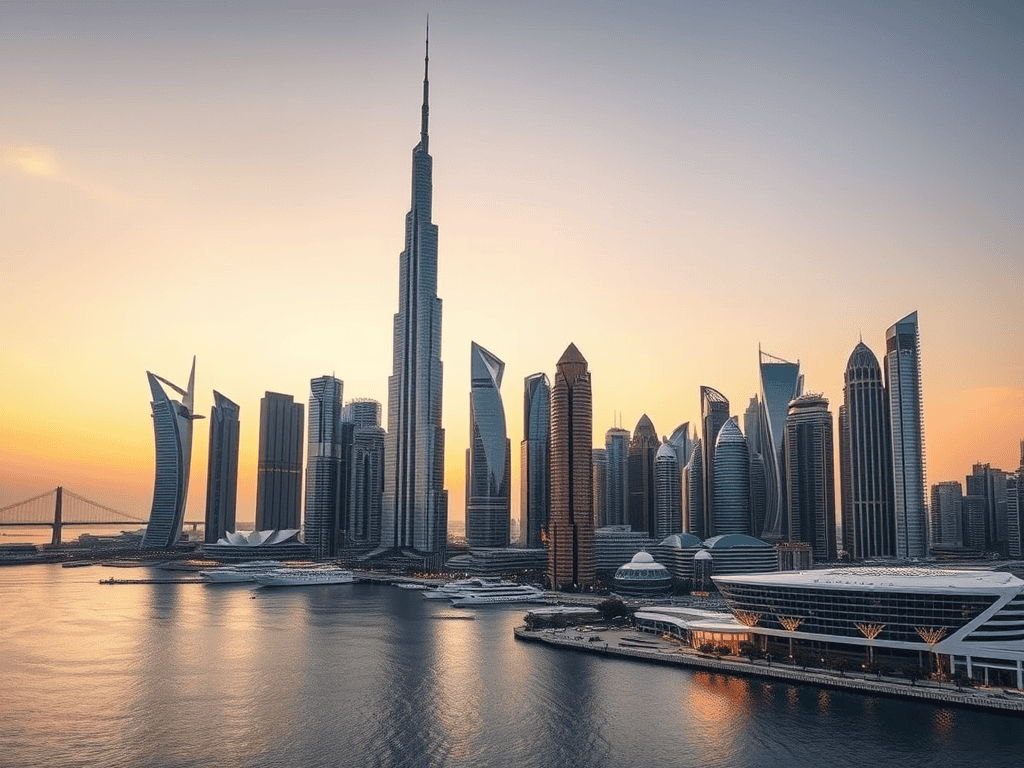
A definitive structural shift is redrawing the map of global wealth. In 2025, wealthy Chinese investors are systematically shifting their family offices from Singapore to Dubai. This is not a flight toward “secrecy,” but a calculated move toward Operability.
Singapore has historically been the preferred hub for Asian capital. However, its pivot toward transparency and OECD-aligned data-sharing has introduced a level of friction. The modern “digital sovereign” no longer accepts this friction. In contrast, the United Arab Emirates (UAE) has choreographed an environment where crypto access, tax neutrality, and rapid residency coexist. The result is a Sovereign Pivot: capital is moving from jurisdictions that export compliance to those that export conviction.
Crypto Access—Dubai’s Strategic “Plus Factor”
The UAE has constructed the most advanced crypto regulatory stack outside of Switzerland. Dubai treats digital assets as necessary infrastructure. This approach is not a speculative indulgence. Because of this, Dubai has created a “Gravity Well” for Chinese wealth.
- Activity-Based Licensing: Dubai’s VARA and Abu Dhabi’s ADGM issue specific licenses for custody, exchange, and tokenization. This provides legal clarity without the invasive surveillance found in Western-aligned nodes.
- Institutional Integration: Major exchanges like Binance, OKX, and Coinbase operate legally. This allows wealthy investors to bridge digital assets directly into bank-linked accounts. Additionally, they can connect to regulated fund structures.
- The Singapore Contrast: Singapore, once the dominant crypto node, now filters all activity through tightening Anti-Money Laundering (AML) gates. The “Redemption Logic” in Singapore has become slow and procedural, whereas in Dubai, it is real-time and protocol-native.
In the choreography of capital, access is the ultimate premium. Dubai has established a jurisdiction. In this jurisdiction, on-chain instruments like tokenized real estate can exist as regulated collateral. In contrast, Singapore has prioritized visibility over velocity.
Tax Architecture—The Neutrality Moat
The UAE’s fiscal design remains radically simple, functioning as a structural moat against the rising transparency obligations of the West.
- Zero-Levy Regime: The UAE maintains 0 percent personal income tax, 0 percent capital-gains tax, and no levies on crypto profits. Corporate tax only triggers above 375,000 AED (approximately 100,000 USD).
- OECD Fragmentation: Singapore is aligning more closely with the OECD’s global minimum tax and data-sharing mandates. This is eroding its appeal for privacy-minded investors. These investors fear the “Visibility Trap.”
- Exit-Neutrality: Unlike many Western jurisdictions, the UAE imposes no wealth, inheritance, or exit taxes. It is a “frictionless gate” that allows capital to remain as liquid as the ledger it resides on.
Tax neutrality is the “Oxygen” of the family office. When a jurisdiction begins to prioritize reporting over growth, it signals the end of its era as a safe haven. Dubai is currently performing the role of the global “Fiscal Buffer.”
Residency and Custody—From Permits to Protocols
The link between physical residency and digital custody has been codified through the UAE’s Innovation and Golden Visa frameworks.
- The Equity Bridge: Golden Visas allow for ten-year residency through property or business ownership, with approvals frequently granted within weeks.
- Entrepreneurial Alignment: Crypto founders and family-office principals qualify via innovation visas. This ensures that their personal residency is anchored in the same jurisdiction. This jurisdiction protects their digital assets.
- Rapid Onboarding: Family offices can be registered within days under the DIFC or ADGM frameworks. In Dubai, the “Sovereign Onboarding” process is practiced for quick speed. This ensures that wealth can be legally anchored the moment it arrives digitally.
Capital no longer migrates for safety alone; it migrates for Operability. The “Crypto-Resident” is the new wealth archetype—individuals whose legal and digital identities are unified under a single, tax-neutral roof.
Strategic Contrast—Visibility vs. Discretion
The divergence between Singapore and Dubai reveals a fundamental breach in the “Global Safe Haven” narrative.
- Singapore (Trust through Visibility): Singapore’s value proposition is now built on international credibility and regulatory harmony with the West. It is the “Cathedral of Compliance.”
- Dubai (Flexibility within the Law): Dubai offers a “Bazaar of Discretion.” It provides flexibility for Chinese investors. These investors face outbound capital controls and digital-asset suspicion at home. It maintains the law without the ritual of performative surveillance.
Singapore is for capital that seeks the state’s blessing; Dubai is for capital that seeks the state’s infrastructure. One city exports the rules; the other exports the rails.
Conclusion
Wealthy Chinese are not “escaping” regulation; they are rewriting the terms of their engagement with the state. The move to Dubai confirms that in the 2026 cycle, the decisive edge is not lifestyle or climate. Instead, it is the synthesis of crypto access and tax neutrality.
Further reading: